

Views: 0 Author: Site Editor Publish Time: 2026-01-05 Origin: Site


Vertical turbine pumps (VTPs) play a key role in irrigation and industrial systems. They efficiently lift water from deep wells and reservoirs. Their space-saving design makes them ideal for various applications.
This article will explore the uses, benefits, and future of VTPs. You will learn how they improve water systems.
Discover Wangyang’s reliable vertical turbine pumps for efficient solutions.
A vertical turbine pump (VTP) is a type of centrifugal pump specifically designed to lift water from deep sources, making it an essential tool in various industries. Unlike standard centrifugal pumps, VTPs are capable of operating in applications where water sources are located deep below the surface. This makes them ideal for pumping water from wells, reservoirs, or other deep-water sources where conventional pumps would not be as effective.
VTPs operate using a series of impellers mounted on a vertical shaft. The water is drawn in through the bottom of the pump and lifted upwards through multiple impellers, each adding energy to the flow. This multi-stage design allows vertical turbine pumps to achieve higher pressure and flow rates, making them suitable for a variety of demanding applications.
Vertical turbine pumps are known for their unique design and functionality, which include the following key features:
● Vertical Installation: VTPs are installed vertically, a design that allows them to save floor space. This vertical setup makes them ideal for use in confined or crowded spaces, such as basements or pump rooms. The compact nature of the pump also ensures ease of installation in various settings.
● Multi-stage Impellers: The pump utilizes multiple impellers arranged in stages. Each stage contributes additional energy to the water, allowing the pump to lift the water to greater heights. This design is particularly effective for applications requiring high-head, low-flow conditions, such as deep well pumping or water treatment systems.
● Deep-Well Capability: Vertical turbine pumps are engineered to handle deep-water applications. They can pump water from depths exceeding 30 meters, making them ideal for use in deep wells, large reservoirs, and other underground water sources.
Feature | Description |
Vertical Installation | Saves floor space and suits confined spaces. |
Multi-Stage Impellers | Generates lift at different stages for efficient pumping. |
Column Shaft Design | Connects the motor to impellers for deep-water pumping. |
Deep-Water Capability | Can pump water from depths over 30 meters. |
Vertical turbine pumps (VTPs) are widely used in agricultural settings to provide consistent and reliable water for irrigation. By lifting water from deep wells or reservoirs, VTPs ensure that crops receive the necessary water, even in areas where surface water sources are scarce. Their efficiency and reliability make them essential tools in modern farming, especially in regions with limited access to surface water.
Irrigation is a critical component of modern agriculture, ensuring that crops receive adequate water throughout their growing season. VTPs play a significant role in ensuring water availability for large-scale farming operations. These pumps are used to draw water from underground aquifers and reservoirs, making them essential for regions that rely on groundwater for irrigation. Whether for seasonal crops or year-round agriculture, VTPs provide the needed water to maintain healthy, productive fields.
● Efficient Water Distribution: VTPs ensure that water is efficiently moved from deep sources to irrigation systems, maintaining consistent pressure and flow. This ensures that the water reaches plants evenly, promoting healthy growth.
● Space-Saving Design: The vertical design of these pumps allows for a smaller footprint, which is crucial in areas where space is limited, such as farms with compact pump houses or small agricultural plots.
● Durability: Vertical turbine pumps are built to last, withstanding harsh environmental conditions such as high temperatures, dust, and corrosion. Their robust construction ensures reliable performance over time, even in the most demanding agricultural environments.
VTPs address several challenges in irrigation systems, particularly the difficulty of pumping water from deep wells or underground reservoirs. These pumps are designed to handle high head and low flow conditions, which are often required when lifting water from great depths. Their multi-stage impellers ensure that the water reaches the surface efficiently, even when the water source is located far below ground level. This capability makes VTPs an ideal solution for regions with limited access to surface water or in areas where groundwater is the primary source of irrigation.
In addition, the ability to customize VTPs for specific irrigation needs allows farmers to tailor their systems for maximum efficiency. Whether for large-scale crop irrigation or smaller-scale agricultural needs, these pumps provide reliable and cost-effective solutions for water management.
Application Area | Specific Use Case |
Agricultural Irrigation | Lifting water for crop irrigation from deep wells. |
Water Treatment Systems | Pumping water from deep wells to filtration systems. |
Power Plant Cooling | Providing large volumes of water for cooling. |
Fire Protection | Ensuring water availability for emergency systems. |
Beyond agriculture, vertical turbine pumps are also vital in industrial applications, where their ability to handle high-pressure, high-head water delivery is crucial.
In municipal water treatment plants, VTPs are used to pump water from deep wells to filtration systems. These pumps ensure a steady and reliable supply of water for treatment and distribution to households and businesses. The efficiency and high flow capacity of VTPs make them ideal for this critical application.
Power plants require large volumes of water for cooling processes, especially in thermal power generation. VTPs are commonly used in these systems to pump water from nearby reservoirs or wells, providing a reliable water source for cooling towers and heat exchangers.
Vertical turbine pumps are also used in fire protection systems, particularly in large facilities, high-rise buildings, and industrial complexes. These pumps ensure that sufficient water is available in case of an emergency, delivering high flow rates to fire sprinkler systems.
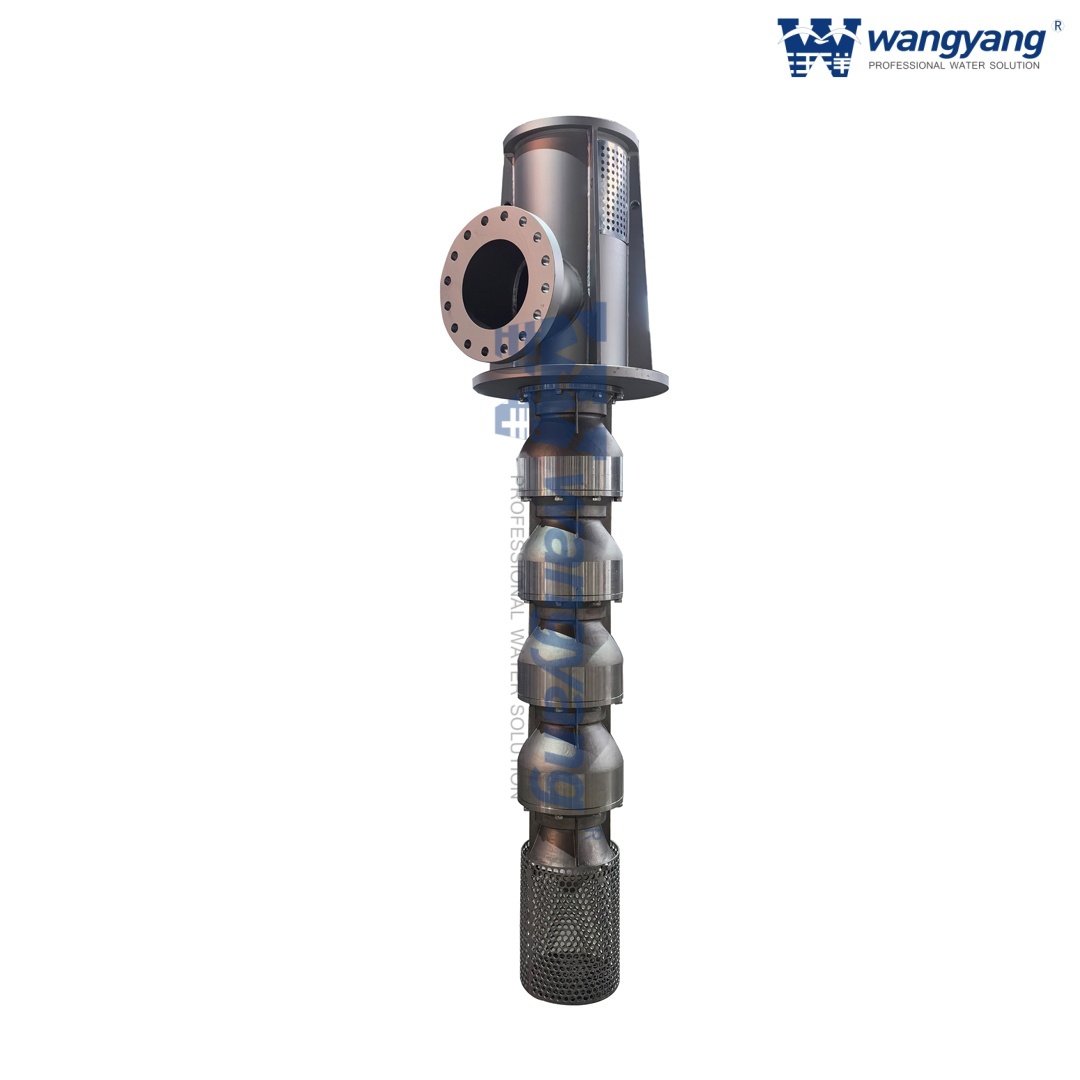
VTPs are designed to overcome the challenges posed by deep-water sources. Their vertical configuration allows them to efficiently lift water from deep wells or reservoirs, where other types of pumps might fail.
Vertical turbine pumps excel in applications requiring deep-water lifting, such as in deep wells where the water source is below 30 meters. Their multi-stage impeller system allows them to generate the necessary pressure to lift water from great depths, making them indispensable in regions where shallow water sources are unavailable.
In industrial systems, VTPs are highly effective at handling high-pressure, low-flow conditions, which is a common requirement in water treatment, cooling, and fire protection applications. Their design ensures that water is pumped with consistent pressure, even in challenging conditions.
The vertical configuration of the VTP minimizes the required space for installation, making it ideal for confined spaces or areas with limited floor space. The ability to operate in deep-water settings makes VTPs a versatile solution for many industries.
Vertical turbine pumps offer several advantages that make them an essential tool for irrigation and industrial water systems. These benefits enhance their efficiency and reliability, making them indispensable in applications requiring deep-water lifting and consistent water supply.
The vertical design of vertical turbine pumps (VTPs) allows them to fit into smaller spaces compared to horizontal pumps, which require more floor area. This space-saving feature makes them ideal for installations in confined or crowded areas where space is limited. It also allows for easier integration into facilities with restricted room for equipment.
VTPs are designed for high-efficiency performance, especially in deep-water applications. Their multi-stage impellers enable them to generate higher pressures, making them highly effective in lifting water from deep wells or reservoirs. This ability ensures that VTPs perform well in applications requiring water lifting from depths greater than 30 meters, providing a reliable solution in demanding environments.
VTPs are built to withstand harsh operating conditions and deliver reliable service over extended periods. Their robust construction ensures minimal downtime, which is crucial in industrial and irrigation applications where an uninterrupted water supply is vital. These pumps are specifically designed to endure constant use in challenging conditions, ensuring long-term operational efficiency.
Vertical turbine pumps can be customized to meet the specific requirements of different industries, whether for agricultural irrigation, municipal water supply, or industrial cooling systems. Their flexibility in design and application ensures that VTPs can be tailored for a variety of performance needs, from low-flow, high-head applications to large-scale, high-volume water transfer systems.
To ensure the long-term performance of vertical turbine pumps, regular maintenance is essential. Proper upkeep helps minimize downtime and maximizes efficiency, keeping the system running smoothly and extending its service life.
● Check Bearings and Shaft Alignment: Regular inspection of bearings and shaft alignment ensures smooth operation, preventing unnecessary wear and tear. Ensuring these components are properly aligned also reduces the risk of equipment failure.
● Lubrication: Proper lubrication of moving parts helps to reduce friction, preventing premature wear and extending the lifespan of the pump. Routine lubrication ensures the pump continues to operate at peak efficiency.
● Hydraulic Thrust: In high-suction applications, hydraulic thrust can be challenging to balance. This imbalance can lead to structural damage or decreased efficiency. Specialized handling techniques and regular maintenance checks are essential to managing hydraulic thrust.
● Mechanical Seal Problems: Vertical turbine pumps can experience issues with mechanical seals, especially when pumping fluids with entrained gases. Over time, gas can accumulate in the seal chamber, leading to inefficiency or failure. Ensuring proper venting and regular maintenance can help prevent seal-related problems, ensuring smooth pump operation.
By focusing on regular maintenance and addressing common issues promptly, vertical turbine pumps can provide reliable and efficient performance for years, ensuring they remain a valuable asset for various industrial and agricultural applications.
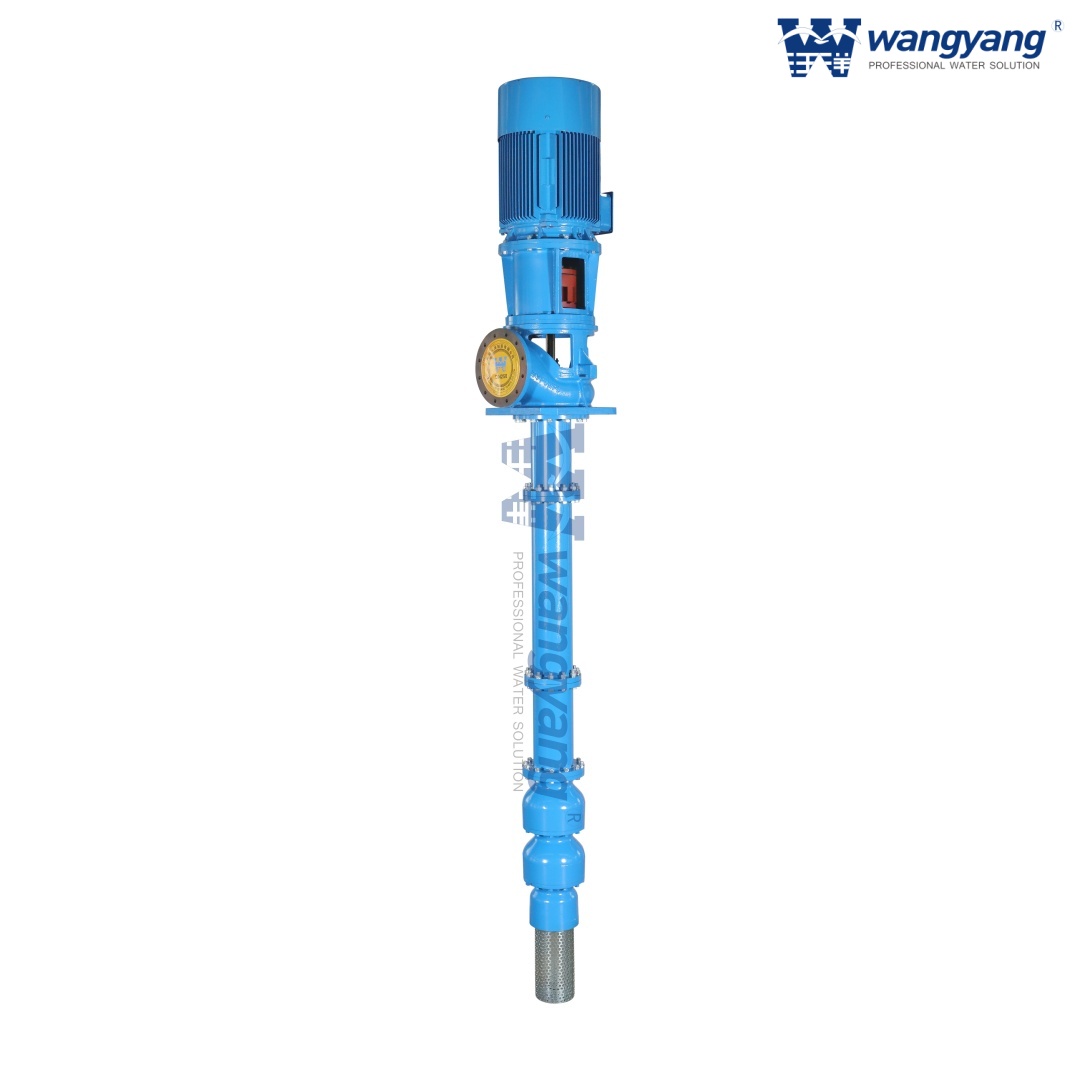
The future of vertical turbine pumps lies in their ability to adapt to emerging industry needs, such as sustainability and energy efficiency.
Advancements in materials and pump design continue to improve the efficiency and reliability of VTPs. New technologies, including digital monitoring and predictive maintenance, will further enhance their performance.
As industries look for more sustainable solutions, VTPs are evolving to meet environmental standards, offering more energy-efficient and cost-effective options for water management.
The integration of smart technologies in VTPs allows for real-time monitoring, improving efficiency and reducing energy consumption. This will make VTPs even more indispensable in the future.
Vertical turbine pumps are vital for irrigation and industrial systems. They ensure efficient water delivery in deep-water applications. Their ability to manage high-pressure, low-flow conditions makes them crucial for water treatment, cooling, and fire protection. With ongoing technological advancements, these pumps are set to meet the evolving needs of industries globally. Wangyang’s vertical turbine pumps provide reliable solutions, offering excellent performance in demanding applications.
A: A vertical turbine pump (VTP) is a centrifugal pump designed to lift water from deep sources, such as wells or reservoirs. Its vertical design saves space and makes it ideal for high-pressure, low-flow applications.
A: Vertical turbine pumps are used in irrigation systems to efficiently lift water from deep wells for crop irrigation. Their high efficiency and ability to handle deep-water applications make them vital for agricultural water supply.
A: Vertical turbine pumps are ideal for industrial systems because of their ability to handle high pressures and deep-water lifting. They ensure reliable water supply in power plants, manufacturing, and cooling systems.
A: Regular maintenance for vertical turbine pumps includes checking bearings, shaft alignment, and lubricating moving parts. Proper maintenance ensures long-term reliability and efficiency in both irrigation and industrial systems.

