

Views: 0 Author: Site Editor Publish Time: 2026-07-25 Origin: Site


An inefficient irrigation turbine pump does much more than just waste water. It drastically inflates your peak-season energy expenses. It also risks catastrophic mechanical failure during vital crop watering windows. Factory performance curves often look perfect on paper. However, real-world variables quickly degrade system efficiency over time. Factors like seasonal water table drawdown alter your dynamic head. Varying load requirements push equipment past optimal operational limits. Abrasive mechanical wear constantly attacks your expensive internal components.
Sustaining optimal performance requires moving beyond reactive, emergency repairs. You need a proactive, lifecycle-based maintenance framework. This strategy aligns your equipment capabilities directly to fluctuating seasonal agricultural demands. This article reveals how to preserve base efficiency year after year. We will explore adaptive operational technologies. You will learn data-driven approaches to equipment maintenance. These actionable steps will help you maximize reliability, control utility expenses, and protect your seasonal yields.
Systematic Maintenance Outperforms Reactive Repair: Structuring maintenance around seasonal shutdown and restart protocols extends lifespan and preserves base efficiency.
Monitoring "Wire-to-Water" Efficiency: The true metric of an agricultural water pump is how effectively it converts energy into water delivery under changing dynamic head conditions.
Adaptive Technologies Mitigate Wear: Integrating Variable Frequency Drives (VFDs) and condition monitoring can dynamically adjust to seasonal load variations, reducing physical strain on the pump.
Data-Driven Repair vs. Replace Decisions: Tracking seasonal performance degradation provides the necessary baseline to calculate long-term financial impacts and justify capital upgrades.
Efficiency drops correlate directly to increased Operating Expenses (OPEX). Many operators fail to notice slow performance degradation. A gradual 10-15% drop in efficiency seems minor initially. However, it results in thousands of dollars in wasted electricity. It wastes expensive diesel fuel over a single growing season. You are paying for energy you do not actually use.
We must evaluate the whole system to understand real performance. An agricultural water pump requires a "wire-to-water" metric. This metric measures total energy conversion. It evaluates the motor, the transmission, and the pump as a single continuous unit. If your motor operates at 90% efficiency and your pump operates at 75%, your overall system efficiency is only 67.5%. Every component must work together seamlessly to maintain high performance.
Ignoring efficiency drops creates massive operational risks. Minor mechanical inefficiencies usually precede mid-season downtime. Emergency downtime carries a much higher cost than wasted energy. Yield loss from missed watering windows can destroy seasonal profitability. A proactive approach protects your crops. It ensures water delivery when your fields need it most.
Table 1: Estimated Financial Impact of System Inefficiency
Efficiency Drop | Increased Energy Consumption | Estimated Seasonal Cost Increase | Operational Risk Level |
|---|---|---|---|
5% | Low | $500 - $1,200 | Minor |
10% | Moderate | $1,500 - $3,500 | Elevated |
15%+ | High | $4,000+ | Critical / High Failure Risk |
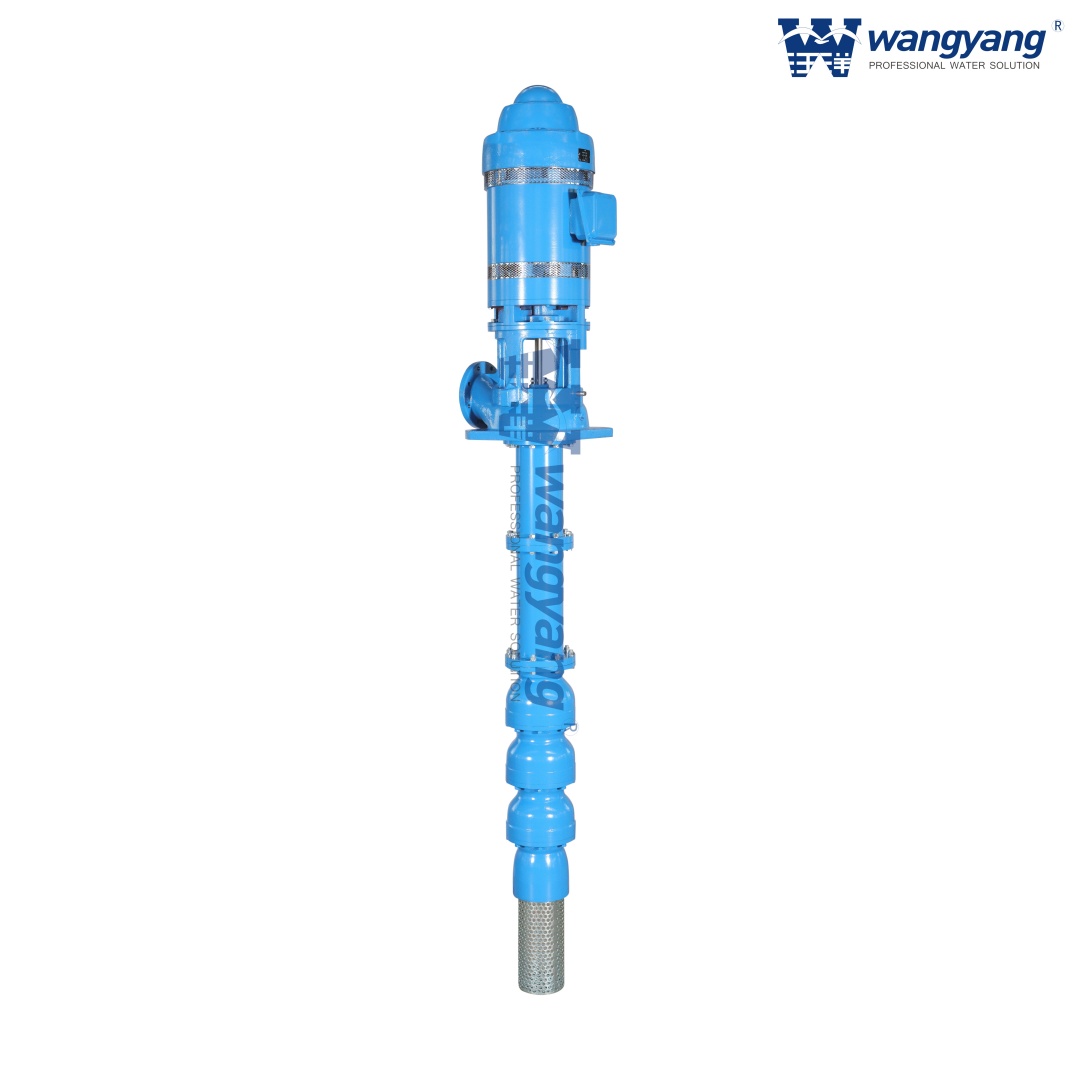
Several technical factors degrade equipment over time. Understanding these variables helps operators implement better maintenance strategies. You must view equipment degradation through multiple technical evaluation lenses.
Aquifer levels rarely remain static. Dropping water levels actively increase your Total Dynamic Head (TDH). This forces the system to work much harder. Increased lift requirements push the vertical turbine pump off its Best Efficiency Point (BEP). Operating off-BEP creates severe radial forces. These forces cause shaft deflection. Shaft deflection eventually destroys your bearings and seals.
Common Mistake: Operators often ignore changing water levels. They assume factory settings remain optimal forever. You should measure static water levels monthly during peak irrigation season.
Abrasive particulates degrade internal components constantly. Sand and silt act like sandpaper inside the bowl assemblies. They slowly grind away protective coatings. They widen the critical clearances around your impellers. Wider clearances allow water to slip backward. This internal recirculation drastically reduces flow rates. It forces the motor to run longer to deliver the same water volume.
Power units suffer from environmental stress. Electric motors frequently experience voltage imbalances. Even a 2% voltage imbalance creates significant excess heat. Heat breaks down winding insulation prematurely. Diesel engines experience thermal degradation. Clogged injectors reduce power transfer. Degraded engines cannot maintain optimal rotational speed. Lower rotational speed directly reduces water output.
Maintaining efficiency requires a structured chronological approach. You cannot rely on guesswork. Implementing strict procedures prevents offseason degradation. It ensures peak readiness when spring arrives.
Winterizing protects equipment from harsh environmental damage. Freezing temperatures destroy cast iron components easily. Follow these crucial steps immediately after your final watering cycle:
Drain all system components: Remove water from the discharge head. Drain the piping completely to prevent freeze expansion damage.
Relieve packing gland tension: Loosen the packing glands carefully. Inspect all mechanical seals for excessive scoring. Replace hardened packing material immediately.
Lubricate critical bearings: Apply fresh grease to all accessible bearings. Fresh grease displaces internal moisture. It prevents condensation-induced rust during winter months.
Cover the motor: Install a breathable, waterproof cover over the motor housing. This prevents rodent infestations and debris accumulation.
Spring commissioning demands patience. Rushing the restart process causes catastrophic mechanical failures. Execute these steps before energizing the system:
Verify motor alignment: Check the baseplate for "soft foot" conditions. Uneven mounting causes severe vibration. Correct any baseplate gaps using precision stainless steel shims.
Conduct Megger testing: Test the electrical insulation resistance. A Megger test reveals hidden moisture inside motor windings. Never energize a wet motor. It will short circuit instantly.
Pressurize the system gradually: Open discharge valves slowly. Gradual pressurization prevents violent water hammer. Water hammer shocks the piping network. It can shatter the internal bowl assembly.
Static checklists are not enough. You must monitor equipment continuously during peak operations. Early detection prevents major breakdowns.
Establish baseline readings: Record vibration levels during the first week of operation. Record standard operating temperatures. Compare daily readings against these baselines.
Monitor flow rates: Track your gallons per minute (GPM) regularly. Compare current GPM against total energy consumption. Sudden flow drops indicate internal blockages or severe impeller wear.
Check lubrication lines: Ensure oil-lubricated models receive consistent drip rates. Dry shafts warp under heavy load.
Static maintenance cannot solve every efficiency problem. Changing farm operations require dynamic technological interventions. Upgrading hardware helps operators maintain high efficiency despite fluctuating field conditions.
Variable Frequency Drives revolutionize water delivery control. They allow operators to change speeds electronically.
The Benefit: VFDs match equipment speed directly to actual irrigation demand. You might switch water delivery between a high-pressure pivot and a low-pressure drip system. Traditional setups throttle valves to reduce flow. Throttling creates massive friction loss. It wastes incredible amounts of energy. VFDs simply slow the motor down. This preserves energy and reduces mechanical strain.
The Implementation Risk: Retrofitting older systems carries hidden dangers. Not all existing motors are inverter-duty rated. Standard motors lack adequate cooling at low speeds. They also lack robust insulation. Connecting a VFD to an older motor without proper grounding causes stray bearing currents. These currents pit the bearings and cause premature motor failure. Always consult an electrical engineer before installation.
Sometimes the water table changes permanently. When dynamic head increases permanently, VFDs cannot solve the physical mismatch. You must adjust the physical hardware.
Impeller trimming reduces the physical diameter of the impeller. This correctly recenters the equipment on its new Best Efficiency Point. It stops the motor from overloading. Re-bowling involves replacing the entire lower assembly. New bowl assemblies feature modern hydraulic designs. They offer much higher base efficiency than older cast-iron models.
Chart: VFDs vs. Impeller Trimming
Solution Type | Best Application Scenario | Primary Benefit | Key Limitation |
|---|---|---|---|
Variable Frequency Drive (VFD) | Varying daily/weekly flow demands. | Dynamic speed control; massive energy savings. | Requires inverter-duty motor; high upfront cost. |
Impeller Trimming | Permanent drop in aquifer levels. | Fixes off-BEP vibration; prevents motor overload. | Permanent physical change; reduces maximum flow. |
Eventually, every machine reaches the end of its useful life. Operators need a logical framework for making capital decisions. Deciding between a major overhaul and a complete replacement requires careful evaluation. You must analyze specific evaluation dimensions.
Review your historical maintenance logs. Track the frequency of bearing replacements. Note how often mechanical seals fail. A machine requiring three major overhauls in five years signals systemic failure. The metal casings weaken over time. Repeated machining alters factory tolerances. If your equipment exceeds 15 years of continuous heavy use, replacement often yields better reliability.
Numbers dictate the smartest financial moves. Schedule a comprehensive energy audit. Use formulas provided by your local university extension or the Department of Energy (DOE). Calculate the payback period of a new, high-efficiency system. Compare the purchase price against the ongoing energy waste of your current unit. Modern hydraulic designs operate 10-20% more efficiently than legacy models. This efficiency gap often pays for the new equipment within three to four growing seasons.
Regulatory frameworks change constantly. Modern agriculture requires strict water management. Older systems rarely integrate well with modern telemetry sensors. You need accurate flow data to satisfy local water conservation compliance. Upgrading your systems allows seamless integration with smart controllers. Automated reporting protects your valuable water rights. It also qualifies your farm for government agricultural efficiency grants.
Best Practice: Always request a factory curve sheet when purchasing new equipment. Keep it in your maintenance binder. Compare your annual field tests directly against this original curve sheet.
Maintaining seasonal efficiency is never a static goal. It remains an active, continuous process. You must align your maintenance routines, operational technology, and changing field conditions carefully. Reactive repairs destroy profitability and threaten crop yields. Proactive management ensures longevity and low operating costs.
Implement strict seasonal shutdown and restart checklists to prevent environmental damage.
Monitor your wire-to-water efficiency metrics consistently during peak usage months.
Leverage VFDs carefully to match fluctuating irrigation demands without wasting energy.
Track performance degradation to justify long-term capital investments confidently.
Do not wait for a mid-summer breakdown to evaluate your equipment. Schedule a comprehensive pre-season energy audit today. Consult with a qualified mechanical engineer to establish your baseline wire-to-water metric. Taking action now guarantees reliable water delivery when your crops depend on it most.
A: We recommend conducting a comprehensive efficiency test every two to three years. However, you should test it annually if you operate in highly abrasive water conditions containing heavy sand or silt. Frequent testing establishes an accurate baseline. It helps you catch minor wear before it causes major electrical or mechanical failures.
A: This pressure loss results from seasonal water table drawdown. As neighboring farms irrigate, the local aquifer level drops significantly. Your equipment must work much harder to lift the water from a deeper static level. This increased physical lift reduces your overall output pressure if the system was not originally sized for deeper conditions.
A: Yes, the mechanical components can usually handle variable speeds. However, you must verify your electric motor type first. The motor must be an "inverter-duty" model. Standard legacy motors cannot withstand the electrical frequency stresses VFDs create. They also lack adequate internal cooling fans required when operating at lower rotational speeds.

