

Views: 0 Author: Site Editor Publish Time: 2026-04-14 Origin: Site


When upgrading a high-capacity pumping station, engineers often need to choose between horizontal split-case pumps and vertical designs. This decision is not always straightforward. Many facilities must deal with limited installation space, changing head conditions, and low Net Positive Suction Head (NPSH) availability. These constraints can make pump selection more complex and increase the importance of matching the design to the actual operating environment.
This guide focuses on the practical benefits of vertical turbine pumps while also highlighting the engineering considerations that come with them. A vertical turbine pump can be an effective solution for demanding hydraulic applications, but correct specification is essential. The sections below explain where these pumps perform especially well and what users should evaluate before selecting one.
Vertical turbine pumps are well suited to low NPSHa conditions because the first-stage impeller operates below the liquid level.
Their upright design reduces floor space requirements and allows the motor to be positioned above areas that may be exposed to flooding.
The modular bowl assembly makes it easier to increase head without expanding the installation footprint.
They also come with specific maintenance and installation requirements, especially with regard to overhead space and shaft alignment.
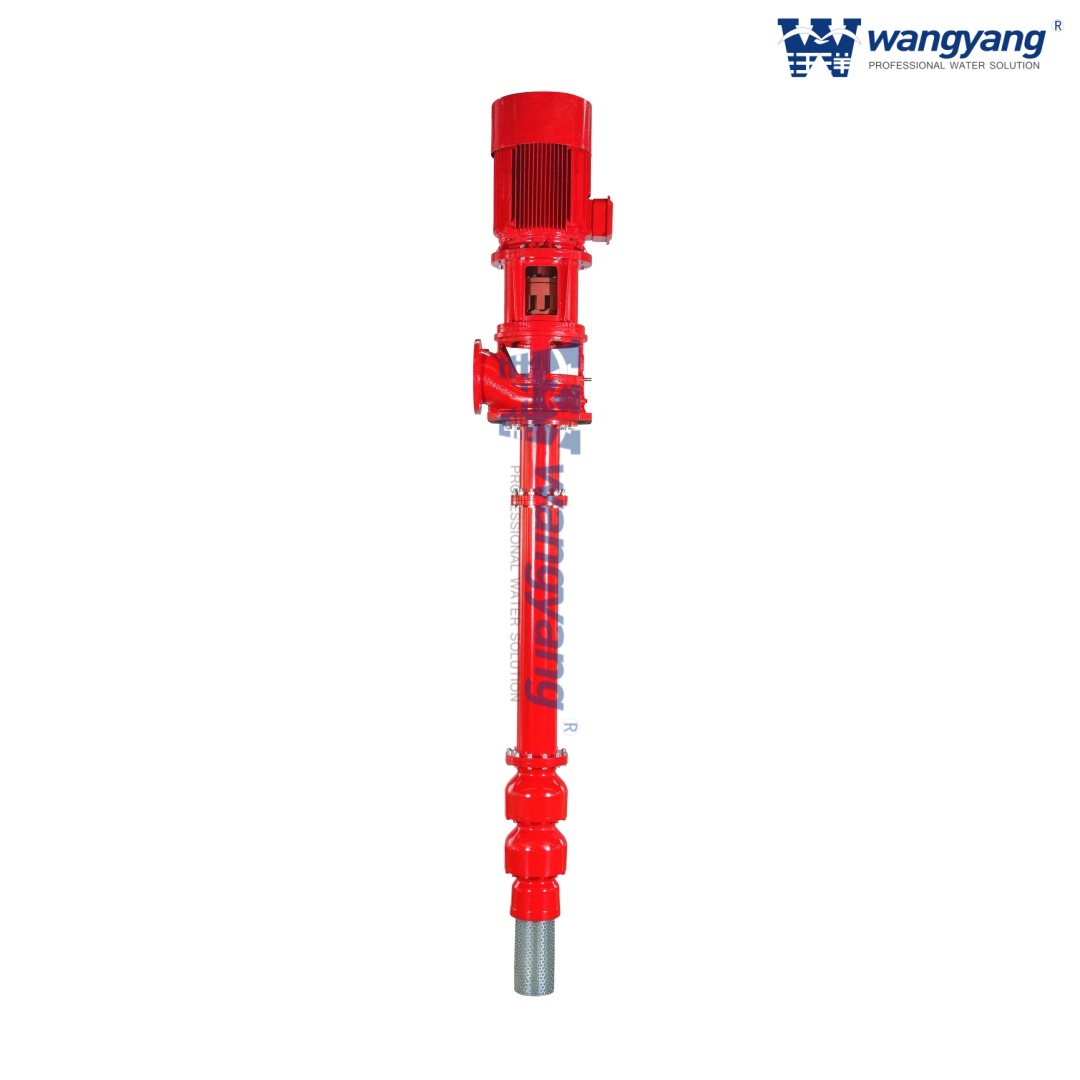
Vertical turbine pumps are widely used because they address certain hydraulic and structural challenges more effectively than many horizontal pump arrangements. In the right application, they offer clear advantages in layout, suction performance, and operating stability.
One of the most noticeable advantages of a vertical turbine pump is its smaller footprint. Compared with horizontal split-case pumps, it uses much less floor space. The motor is typically mounted above ground on the discharge head, which helps protect important electrical equipment from water exposure in areas where localized flooding may occur. This configuration can also simplify station layout in tight mechanical rooms or pump houses.
Horizontal pumps often require priming measures before startup, especially if the suction line is not flooded. Vertical turbine pumps work differently because the first-stage impeller remains submerged in the fluid. This arrangement removes the need for separate priming equipment and reduces the number of startup-related issues. As a result, the system can be easier to operate and more dependable in daily use.
Some pumping systems operate with limited suction pressure, which increases the risk of cavitation. Vertical turbine pumps are often selected for these situations because the submerged bowl assembly improves inlet conditions. In some installations, a suction can or barrel is also used to help increase suction pressure at the pump inlet. This can make the pump more suitable for applications where conventional configurations would struggle.
Vertical turbine pumps often have steeper performance curves than many horizontal pumps. In applications with fluctuating head conditions, this characteristic can provide more stable operation and better control of the process. It can also reduce the chance of the pump drifting too far from its intended operating range when system pressure changes.
Another major advantage of vertical turbine pumps is their modular construction. In many facilities, flow and pressure requirements change over time as capacity needs increase or process conditions evolve. The bowl assembly design allows these pumps to be adapted more easily than some other configurations.
The hydraulic section of the pump is built from stacked bowl assemblies, each containing an impeller and diffuser. If higher pressure is needed, additional stages can be added to increase head. This makes the design highly flexible for applications that may need future adjustments without a complete change in pump arrangement.
With identical stages, increasing the number of bowls raises the total head while the base flow rate remains generally unchanged. This means users can increase pressure performance without increasing the amount of surface space required for the installation.
Number of Stages | Flow Rate (GPM) | Total Dynamic Head (Feet) | Surface Footprint Change |
|---|---|---|---|
1 Stage | 1,000 | 100 | None (Base Size) |
2 Stages | 1,000 | 200 | None |
3 Stages | 1,000 | 300 | None |
Vertical turbine pumps can also be configured with different materials to suit challenging operating conditions. Components such as diffuser bowls, impellers, and line-shaft bearings can be selected based on the properties of the pumped liquid. For abrasive or corrosive service, users may specify more suitable materials or bearing options without redesigning the entire external structure.
Vertical turbine pumps are available in different drive arrangements, and the choice of configuration can influence performance, maintenance access, and installation requirements. The two most common options are line-shaft and submersible designs.
Surface Motor Access: Because the motor is mounted above ground, inspection and routine electrical maintenance are generally easier.
Drive Flexibility: These pumps can be paired with vertical hollow-shaft motors, variable frequency drives (VFDs), and right-angle gear drives in certain applications.
Suitable for Many High-Capacity Installations: They are commonly used in municipal, industrial, and irrigation systems where accessible motor placement is preferred.
In a deep well turbine pump, the motor is installed underwater below the bowl assembly.
Low Surface Noise: Since the motor is submerged, surface noise is reduced significantly, which can be helpful in noise-sensitive locations.
Better Fit for Irregular Wells: Submersible designs can work better in wells with slight misalignment or deviation, where rigid line shafts may be less suitable.
Minimal Surface Structures: They reduce the need for above-ground motor support structures or weather enclosures.
Feature | Line-Shaft Design | Submersible Design |
|---|---|---|
Motor Location | Surface level (above ground) | Underground (submerged) |
Energy Efficiency | Often higher with standard surface motors | May be slightly lower depending on motor design |
Acoustic Profile | Moderate to loud | Very quiet at the surface |
Well Deviation Tolerance | Lower tolerance for misalignment | Better suited to slight well deviation |
Although vertical turbine pumps offer many benefits, they also require careful planning during design and installation. Understanding these factors is important for selecting the right system and preparing for long-term operation.
Maintenance on a vertical turbine pump often requires lifting the motor, discharge head, column pipe, and bowl assembly vertically. For this reason, sufficient overhead clearance must be included in the building or pump station design. Lifting equipment such as gantry cranes or hoists may also be required, depending on pump size.
Line-shaft vertical turbine pumps require accurate alignment. If the installation is not properly plumb, shaft vibration, uneven thrust loading, and premature bearing wear can occur. Good installation practices are essential from the start.
In some industrial services, the pumped liquid may contain dissolved or entrained gas. Under these conditions, the pump design may need venting or other system measures to prevent gas accumulation in critical areas such as the seal chamber.
Vertical turbine pumps are reliable when properly applied, but some repairs can take longer than with more accessible horizontal pump types. Replacing internal components may require disassembly of the column and bowl sections, which can increase service time and labor demands.
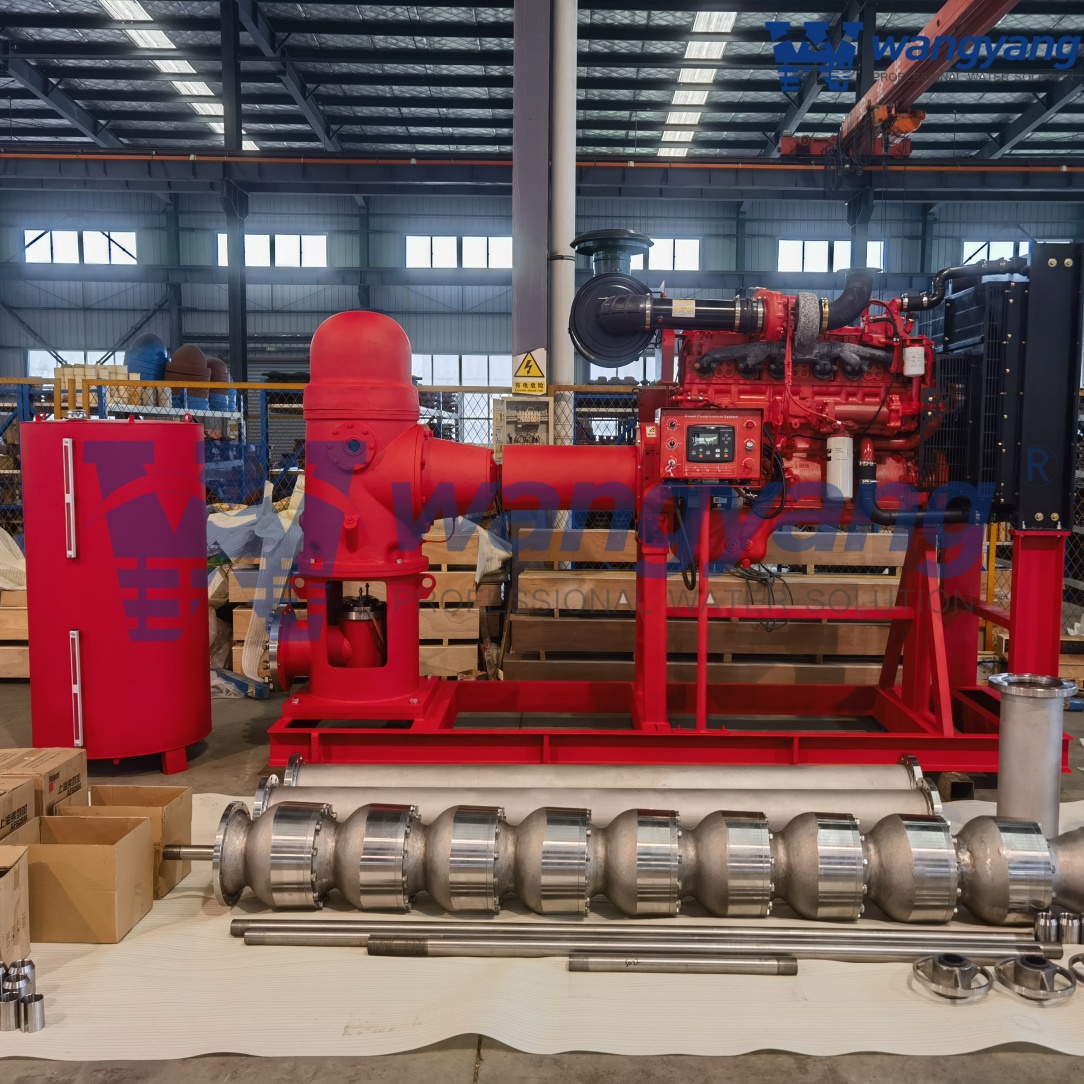
The best performance comes from matching the pump carefully to the application. When specifying a vertical turbine pump, the following points should be considered.
Select the Correct Operating Range: The pump should operate as close as possible to its Best Efficiency Point (BEP). Oversizing for future capacity can lead to unstable operation and increased wear if the actual duty remains far below the rated condition.
Control Startup Conditions: When long column pipes are involved, startup should be managed carefully to reduce the risk of water hammer. VFDs or other soft-start methods can help provide smoother acceleration.
Evaluate Water Level Changes: Installation depth should account for dynamic drawdown and seasonal water-level variation so the pump remains properly submerged during peak demand.
Review Corrosion Compatibility: The materials used throughout the assembly should be suitable for the conductivity and chemistry of the fluid to reduce the risk of galvanic or chemical corrosion.
A vertical turbine pump is often an excellent choice for applications where floor space is limited, suction conditions are challenging, or higher head is needed without increasing the equipment footprint. Its vertical structure, submerged bowl assembly, and modular multi-stage design give it clear advantages in many municipal, industrial, and irrigation systems.
At the same time, successful use of this pump type depends on good planning. Before making a final decision, users should review overhead clearance, maintenance access, alignment requirements, and hydraulic operating conditions. When selected and installed correctly, a vertical turbine pump can provide stable and dependable performance in demanding service environments.
A: No. The internal bearings and other components depend on the pumped liquid for lubrication and cooling. If the pump runs dry, friction rises quickly and serious damage can occur in a short period of time.
A: A submersible pump can be considered a specific form of vertical turbine pump in which the motor is installed below the bowl assembly underwater. In a line-shaft vertical turbine pump, the motor remains above ground and transfers power through a shaft.
A: A suction can or barrel can improve inlet conditions by isolating the intake area and increasing the suction pressure available to the pump. This is useful in applications where natural suction conditions are limited.
A: Yes. Line-shaft configurations can be adapted for engine-driven backup by using a right-angle gear drive connected to a diesel engine or other external power source in certain applications.

